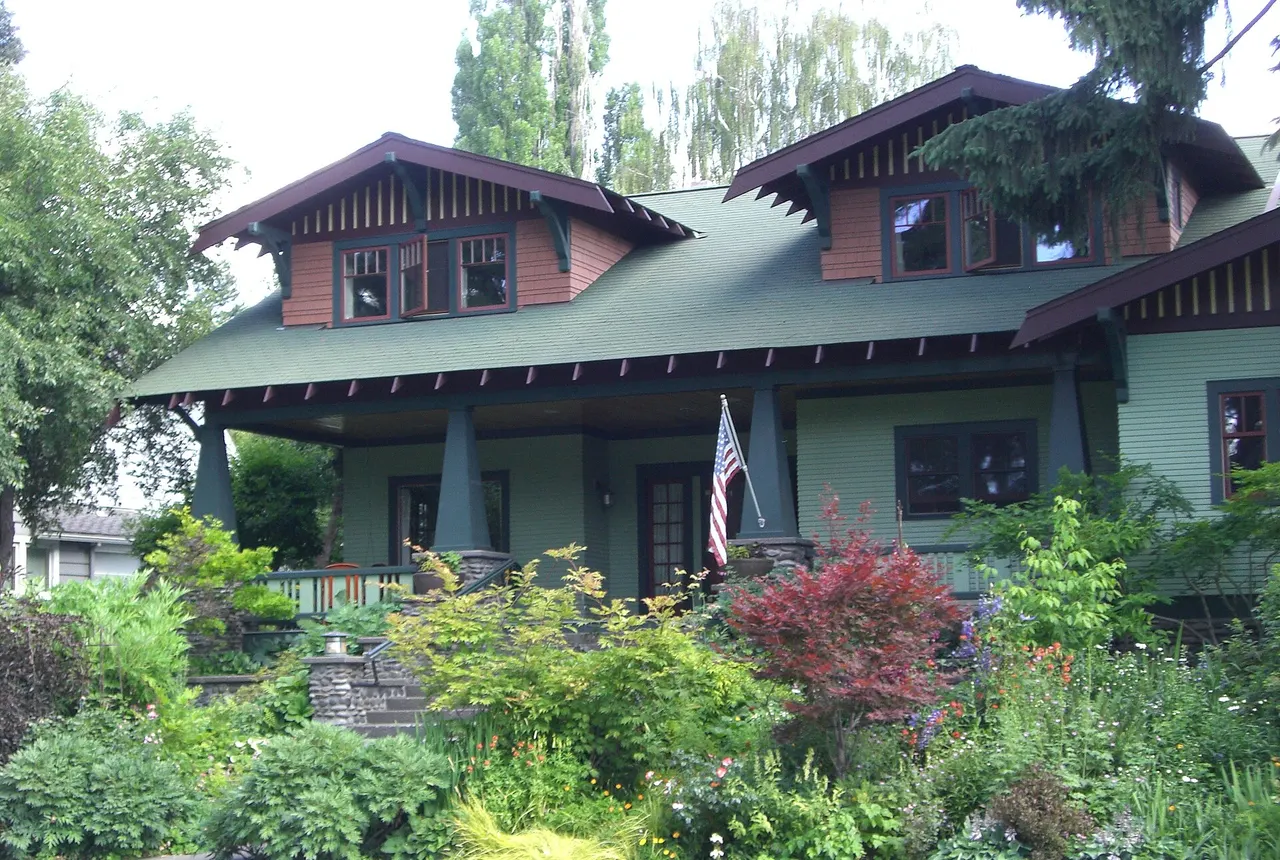
The title is a little cheeky because the actual answer is pretty frustrating: the best internet service in Bend can change from one driveway to the next. A River West rental, an older house near downtown, an Awbrey Butte property surrounded by pines and a few acres outside Tumalo should not receive the same recommendation.
Start with your exact address. That includes the apartment or unit number. Then compare what a provider can install, not just the big number on an advertisement.
How to find every provider that serves your address
Here is the most efficient method we’ve found for sorting the real choices from the marketing:
- Open the FCC National Broadband Map and search your actual street address. It lists service providers and technologies as reported to the FCC. It is a starting point, not an order confirmation. If information looks wrong, the FCC provides a way to challenge it.
- Run a direct address check on at least three realistic companies. In town, start with Vero Fiber, Quantum Fiber and TDS. If none will install, check T-Mobile, Verizon and other options in the cards above.
- Ask whether the address is “serviceable now.” “Under construction,” “coming soon,” “on the map” and “your neighborhood is covered” are not the same as an actual installation appointment. If the site rejects a newer address, call and ask for manual qualification.
- Ask for the Broadband Facts label and the all-in monthly price. Compare upload as well as download, promotion length, any equipment cost, taxes, data policies, and installation or construction fees.
- Test before you cancel your existing internet if you are switching to home 5G or another connection whose performance depends heavily on placement and signal.
Moving into an apartment? Enter the unit number. Ask the manager which providers have equipment installed in the building, whether a fiber drop is already present, and whether the building controls access for installation. A provider serving the same street may not be usable in your specific unit.
BendTel, Vero Fiber, and what we can actually say
The ownership change is official. Vero Fiber announced its BendTel acquisition closed December 1, 2025. That makes BendTel part of Vero’s organization; it is no longer correct to describe BendTel as a separate locally owned rival.
In its announcement, Vero described fiber-to-the-home construction already deployed during 2025 in parts of River West and the Portland Avenue area, and additional target neighborhoods including Old Bend and the Orchard District. Expansion plans are not proof that every property on a street is orderable. Use Vero’s Bend address checker and construction map to see what is actually ready at your home.
Local note: our experience renting in River West, 2025–2026
I rented near Newport Avenue in Bend’s River West neighborhood during 2025–2026 and used BendTel internet. My experience was excellent: I never had a problem with it. That is my firsthand experience at one address, not a survey or reliability test of the network. I have not personally used Vero Fiber, so I can’t review its current service or support.
That’s also why this guide avoids slapping a single “best overall” label on a provider. A connection that worked beautifully at my old rental tells you very little about which company can serve a different Bend property today.
For a new install, compare the actual Vero offer, technology, installation status, monthly total and customer-service terms rather than assuming the old BendTel experience transfers automatically.
Which internet technology makes sense here?
| Connection | Usually most appealing when… | Watch for |
|---|
| Fiber to the home | You can actually order it and want strong uploads, reliable video calls and low latency | Construction/serviceability, installation timing, multi-gig equipment |
| Cable/coax (often TDS) | You want an established in-town wired line and fiber is unavailable | Uploads can be much slower than downloads; promotional price |
| DSL / older copper service | Few other wired options reach you | Actual line speed, especially upload; distance/line condition |
| 5G / LTE home internet | You qualify at your address and want simpler setup | Tower congestion, indoor signal, approved-address restrictions, CGNAT |
| Local fixed wireless | You’re outside cable/fiber coverage but within a provider’s radio reach | Trees, terrain, tower sightline and outdoor antenna placement |
| Starlink (low-orbit satellite) | Rural lot with an unobstructed sky and weak terrestrial options | Trees, equipment/mount, variable performance and plan costs |
| Traditional satellite | Little else is genuinely usable | Latency, data-priority details, installation and cancellation terms |
A simple ranking like “fiber > cable > everything else” is a reasonable starting point, but a bad fiber installation, an overloaded 5G tower or a weak wireless link can change the real-world experience. Compare reliable performance and practical terms, not technology labels alone.
Internet for rural Central Oregon
Rural coverage is where this topic gets more interesting. The last mile to a home can matter much more than the closest town name.
Tumalo, Alfalfa and outside Bend city limits
Check any wired option first, but prioritize Webformix, Yellowknife Wireless and Starlink when service stops before your driveway. For fixed wireless, a coverage map only suggests a possibility. Ask whether a technician can obtain a clear radio path from your actual house or outbuilding.
Redmond, Prineville and Powell Butte
In town, check fiber and wired service by address. Outside town, regional providers may matter. Webformix and Yellowknife list multiple communities; PrineTIME is also worth contacting around Prineville/Crook County. Don’t assume one provider covers every ranch road between Bend and Prineville.
Sisters, Cloverdale and Crooked River Ranch
Run wired address checks even if the property is outside town. If not available, evaluate local radio operators; hills, trees and sightlines may determine whether an installer can deliver consistent service. Yellowknife includes Sisters and Crooked River Ranch in its advertised service-area list.
Sunriver, Three Rivers and La Pine
Do not assume a Sunriver vacation home, a Three Rivers property and a house in La Pine have the same network. Some areas have wired/fiber builds; others need outdoor wireless or a satellite dish. If the property is used seasonally, ask about pausing service, setup fees and maintaining an active account when you are away.
Madras, Culver, Terrebonne and surrounding communities
Start with direct wired checks, then consider wireless providers that explicitly list the area. Webformix’s published Central Oregon footprint includes Madras, Culver and Terrebonne; Yellowknife lists Culver and other nearby communities. Again, coverage territory is not equivalent to confirmed installation at a particular lot.
Buying land or a rural home? Before committing, get written or email confirmation of installation feasibility, plan technology and any extra build-out costs. Ask whether service will be connected by your move-in date. With Starlink, perform an obstruction scan rather than assuming “satellite works anywhere.”
How to compare real monthly cost
We intentionally don’t put a single dollar amount beside every provider in the cards. Prices can change based on the address, plan, promotional eligibility, cellular bundle, auto-pay method, equipment and construction requirements. A false price comparison is worse than no price comparison.
Use this checklist when you talk to each company:
- Monthly price today: Is it a new-customer promotion or a longer-term standard rate?
- Monthly price later: When does the promotion expire, and what changes?
- Download + upload: Is a plan labeled “1 Gig” symmetrical or does upload trail far behind?
- Equipment: Are the modem, ONT, Wi-Fi router, mesh nodes and replacements included?
- Installation: Is the standard visit free? Does a long driveway, conduit or trench cost extra?
- Data: Are there caps, reduced-priority speeds, peak-hour rules or throttling terms?
- Contracts: Is it month-to-month? Any early-termination or equipment-return fee?
- Discounts: Does the price depend on linking a cellphone line, auto-pay or paperless billing?
- Support: Is there an outage page, phone number and meaningful service window?
As one dated, provider-advertised example, Vero’s Bend page listed 500 Mbps at $49.95/month, 1 Gbps at $59.95, 2.3 Gbps at $79.95 and 5 Gbps at $129.95 when checked in October 2026. These are not quotes for a specific address and may change; look at the actual checkout terms. Yellowknife advertised service starting at $59.95/month. Webformix also posts starting prices but its plan pages differ, so confirm the live quote rather than assuming an advertised minimum applies at your property.
What speed do you realistically need?
| Household | Sensible starting range | What often matters more |
|---|
| One or two people, browsing, streaming, occasional calls | 100–200 Mbps | Stability and Wi-Fi coverage |
| Family with multiple TVs, calls and devices | 200–500 Mbps | Uploads, coverage and peak-time quality |
| Heavy media uploads, multi-user gaming/streams or very large downloads | 500 Mbps–1 Gbps+ | Symmetrical upload, latency, wired Ethernet |
These are planning ranges, not speed requirements or promises from a provider. A stable 200 Mbps fiber connection can be a better remote-work experience than a gigabit plan with poor upload speed or a router hidden in the garage.
Internet for remote work, video calls and gaming
Bend has plenty of people working remotely, and reliability matters more than winning a speed-test screenshot.
Remote work: Ask about upload speed, jitter and packet loss, not just download. Frequent cloud backups, shared drives, video editing, remote desktop and security cameras can all compete for upstream capacity. A wired office connection is a bonus.
Gaming: Once you have enough bandwidth, stable latency and packet loss generally matter more than jumping from 300 Mbps to 1 Gbps. Fiber and healthy wired cable connections are often a good starting point. 5G and fixed wireless can work well but may vary; traditional satellite’s long round-trip delay is a serious tradeoff.
Backup internet: If being offline costs you money, consider a mobile hotspot or a secondary home connection that uses a different network. If the modem and router need to stay powered during a short outage, a small UPS can help - but it cannot fix a wider provider network outage.
Advanced setup: If you host a service, use a VPN that expects inbound access, manage outdoor cameras or need port forwarding, ask whether the plan uses carrier-grade NAT (CGNAT) and if a public/static IP is available. Some cellular and satellite services are less flexible here.
Before blaming your internet provider, test your Wi-Fi
Try a laptop near the router or use Ethernet. Then walk to the slow room. In Bend homes with long layouts, multiple stories, garages and thicker walls, the problem can simply be weak indoor coverage. A properly placed Wi-Fi router, mesh network or wired access point can outperform paying for a bigger internet plan while leaving bad Wi-Fi untouched.
If you’re remodeling or building a home office, Cat6 Ethernet to the office, TV and a couple of access-point locations is often a great long-term improvement.
Apartments, HOAs, ADUs and construction details
- Apartment buildings: The service address may have active fiber to the building but not each unit. Confirm eligibility by unit and get installation permission if required.
- ADUs: Ask whether the detached unit is a separate service address or shares a connection with the main house. That affects billing and possible trenching.
- Long driveways and acreage: Quotes can exclude conduit, pole work, trenching or unusual distance from existing infrastructure. Ask for the full installed price.
- HOAs and planned neighborhoods: Do not assume a provider’s general Bend coverage means it can enter a gated subdivision, use a shared utility easement or attach equipment wherever you choose.
- Seasonal homes: Ask whether you can pause service and what it costs to reactivate. Don’t assume a standard home 5G plan is portable to another address.
Affordable internet and assistance
Some carriers offer reduced-price plans for qualifying households. The federal Affordable Connectivity Program (ACP) ended in June 2024 - be careful with old posts advertising it as an active subsidy.
The separate Lifeline program remains an option for eligible households, and Quantum Fiber describes its Simply Fiber program for qualifying participants. Eligibility, discounts and availability differ. Ask providers what they currently offer at your address.
What this guide includes - and doesn’t
We included meaningful consumer options plus business-oriented fiber providers because someone searching for “internet in Bend” might be comparing a rental, rural property, retail shop or office. We have not independently tested every plan or confirmed every address, and the cards are not an endorsement ranking. A business-only provider in the directory is not a promise it will connect a residential home.
For current information, start with the primary sources: Vero’s Bend map, Vero’s BendTel closing announcement, Quantum’s address checker, TDS availability, Webformix’s Central Oregon service map, Yellowknife’s service information, Starlink residential help and FCC map instructions.
The bottom line: Find out who will really install at your address, compare upload and the full cost, and pick a connection that fits your household - not an internet-ad headline.