

Most home inspector guides tell you to “check credentials and read reviews.” Fine, but the thing that actually helps is seeing what a real report finds on a real Bend house, and what you do with it afterward. So this page uses a real one: a 2026 report on a house bought by someone on the All Things Bend team, shared with their OK. You get the photos, what each finding meant, and the local guide for whoever fixes it.
The inspection at a glance
A late-1990s Bend house with a bonus room upstairs: fiber cement siding, original-looking asphalt shingle roof, slab floor (no crawl space), gas radiant floors downstairs and a heat pump upstairs. It was a smoky August morning. The buyers added a sewer scope, a radon test and mold air sampling.
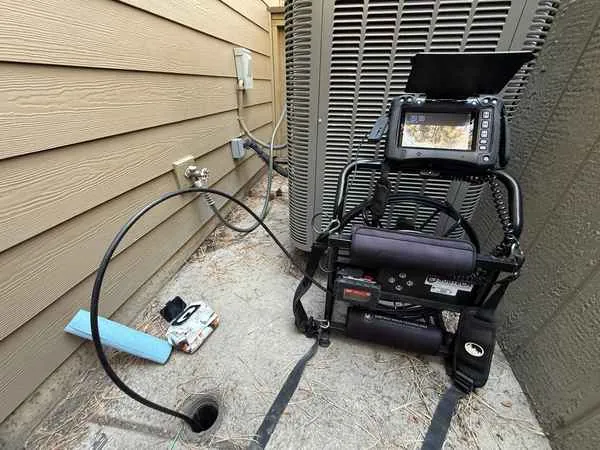
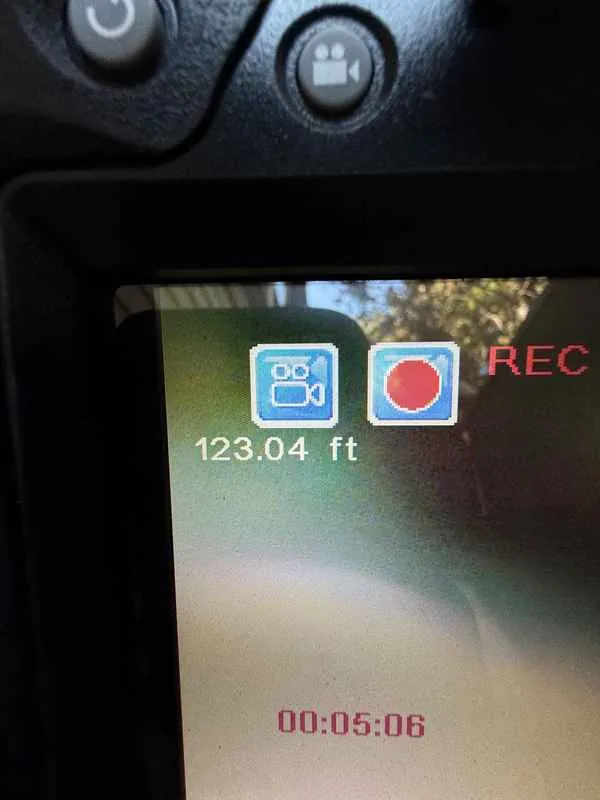
What passed matters too: plumbing fixtures had no leaks, the 200-amp panel looked fine, the 2020 water heater and heat pump were working, the attic had R-38+ insulation, thermal imaging confirmed air reached every vent, and the sewer line was in good shape for all 123 feet to the city connection.
Every finding, with photos and who fixes it
Filter by type. Photos are from the report; the orange marks are the inspector’s.
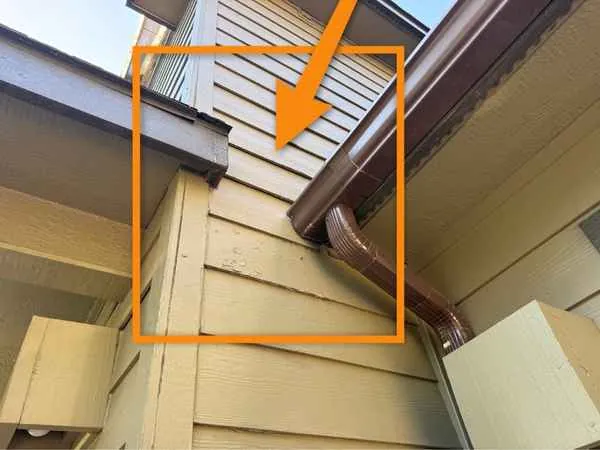
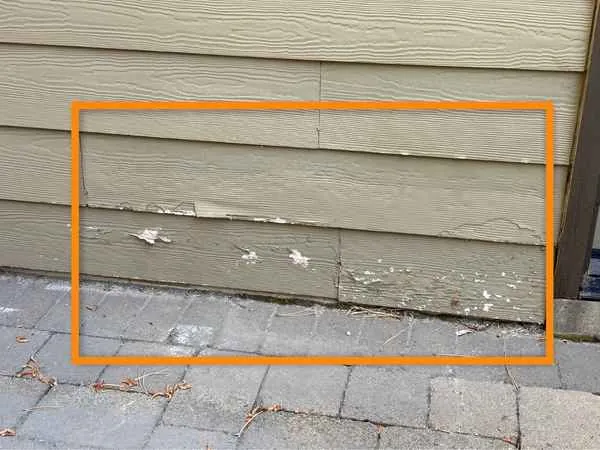
Deteriorating fiber cement siding
Fiber cement is tough, but constant splash and snow at the base still wears it out. The worst walls were later re-sided; those photos are on our siding guide.
Fix: Siding contractors
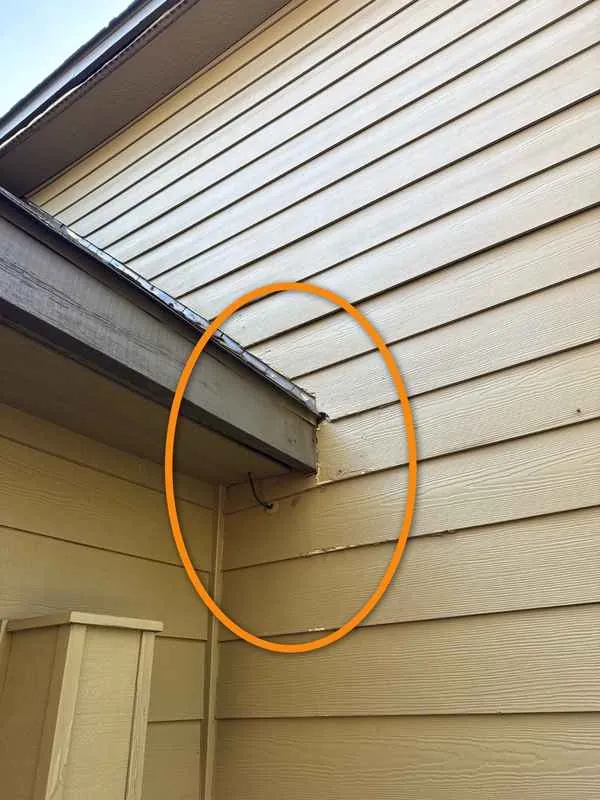
No kick-out flashing
Where a roof edge dies into a wall, a small bent flashing should kick water away. This house had a gap, and water had gotten behind the siding.
Fix: Roofer or siding crew; check the wall behind it
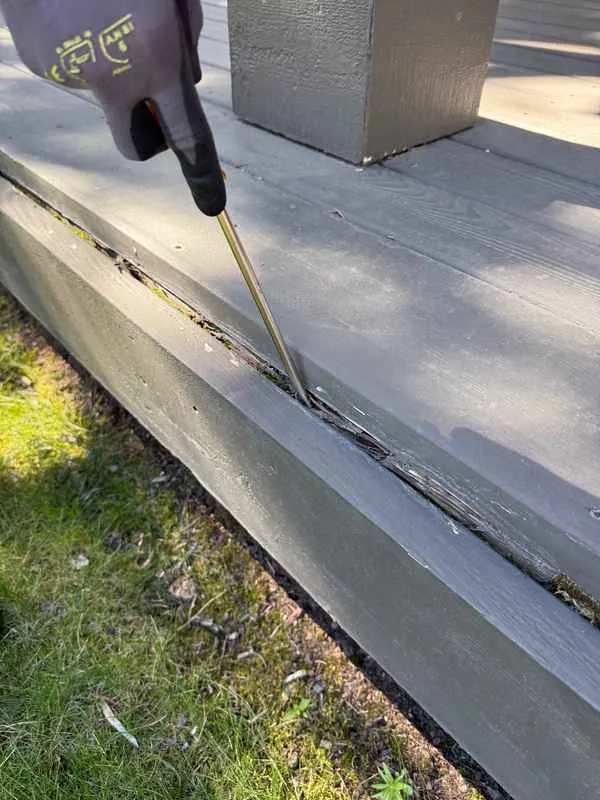
Rotting deck rim board
Roof drip landed on the deck edge, and the deck boards didn’t overlap the band, so water sat in the joint. The screwdriver went in: decay and moss.
Fix: Deck builders after the drainage is solved
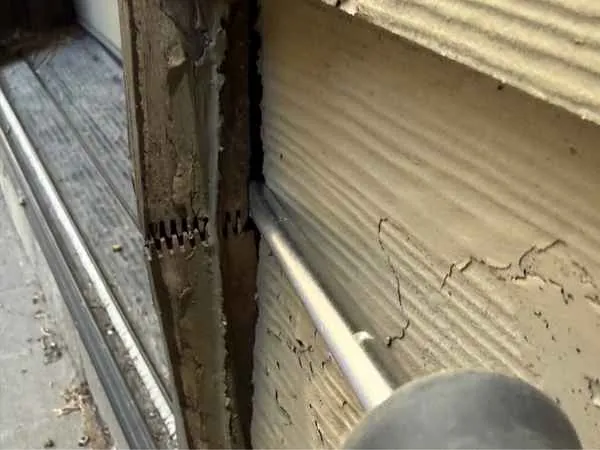
Loose and decayed trim
Door trim rotted at the base and loose trim in a few spots. Small, but it’s where water gets into the wall.
Fix: Handyman or water damage repair
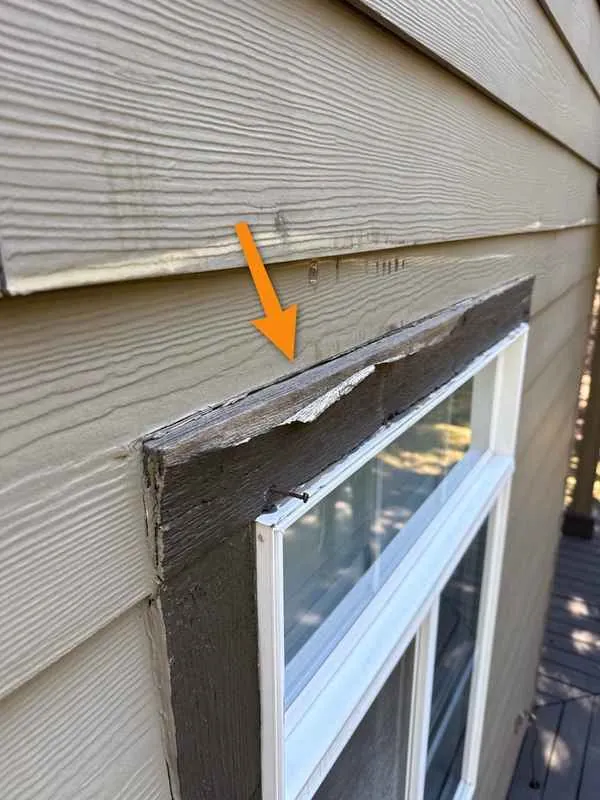
Missing window header flashing
No metal cap over the window trim, so the top of the trim was swollen and peeling.
Fix: Window and door pros or a siding crew
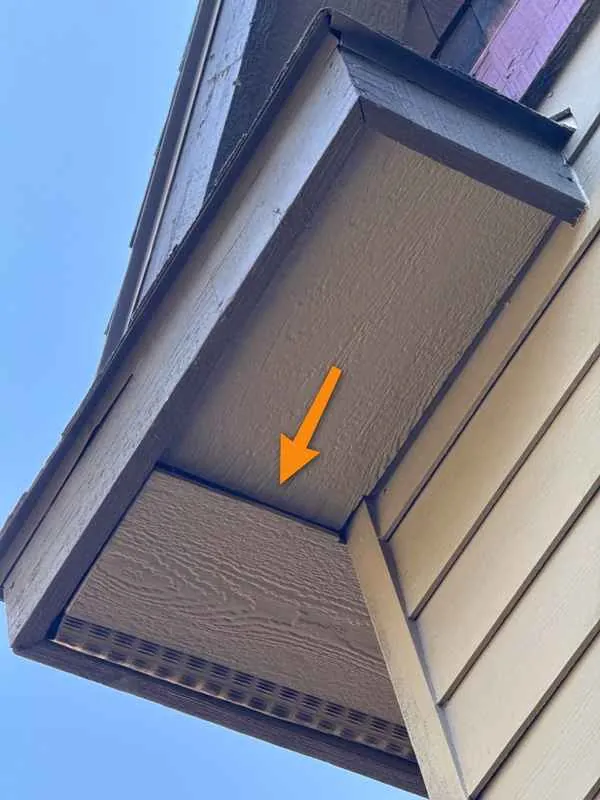
Soffit panel separating
Water running off the roof edge got under the soffit and pushed the panel loose. Same cause again: no gutter.
Fix: Gutters, then patch the soffit
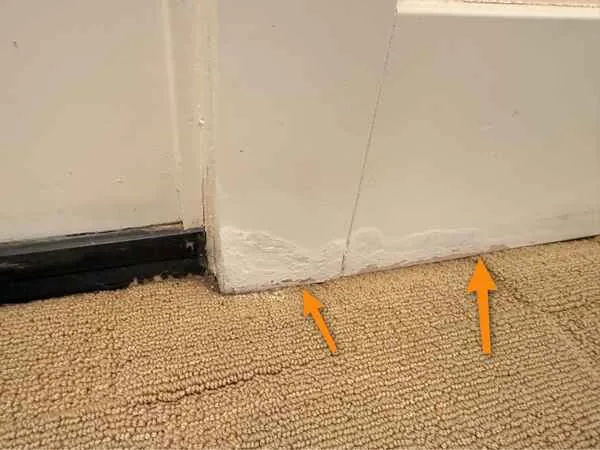
Swollen baseboard inside
Inside the bedroom, right behind the wall the roof water was hitting. Thermal and moisture checks showed no sign the wall was still wet.
Fix: stop the outside water, then swap the baseboard
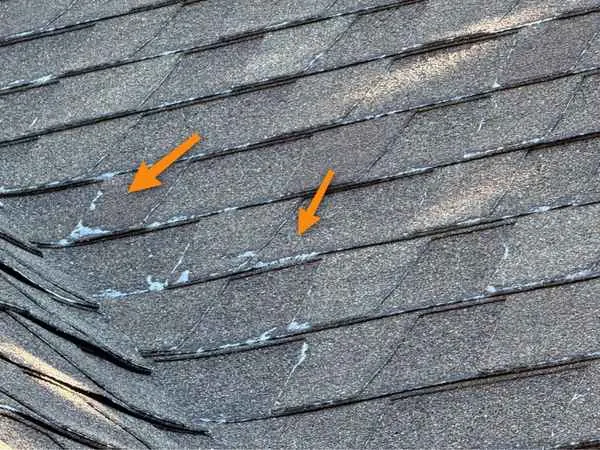
Roof in the “late” stage of life
Likely the original 1990s roof: granule loss, exposed nails, loose shingles and loose flashing, worst on the west side. Bend sun and freeze-thaw are hard on shingles.
Fix: Roofers for repairs now, replacement soon
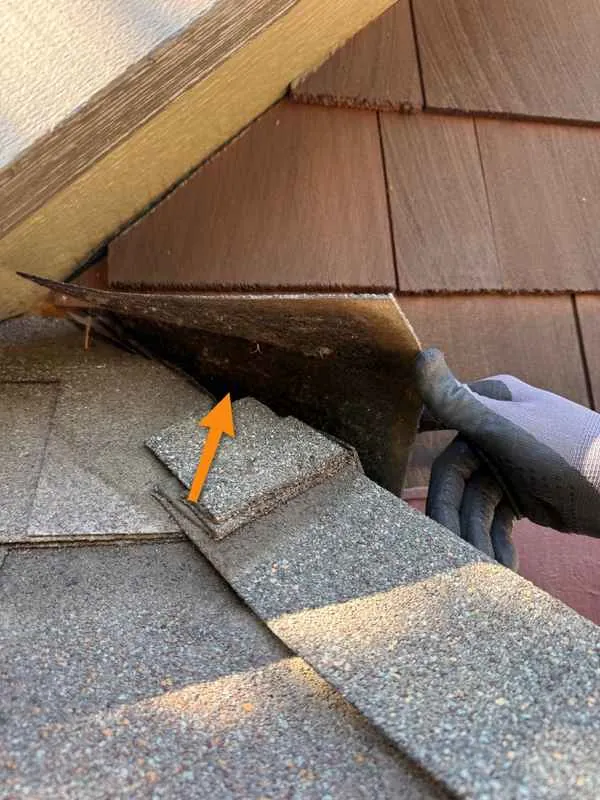
Soft low spot at the overhang
A dip at the roof edge felt soft under the shingle, possibly from a bent drip edge. Needs a roofer to open it up.
Fix: Roofer to investigate
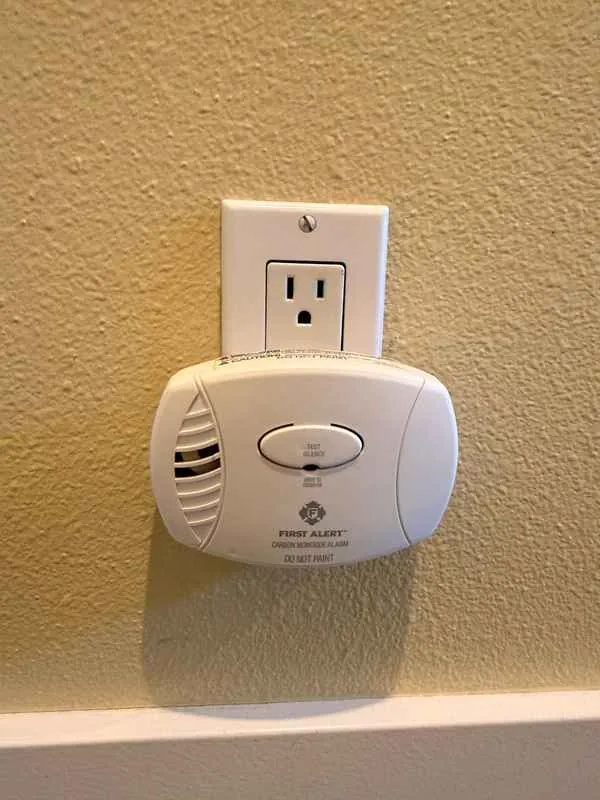
Missing CO alarm upstairs
Oregon requires working CO alarms at sale in homes with gas appliances or an attached garage. Downstairs was fine; upstairs had none. “Correction needed before close.”
Fix: a $30 alarm, or an electrician for hardwired
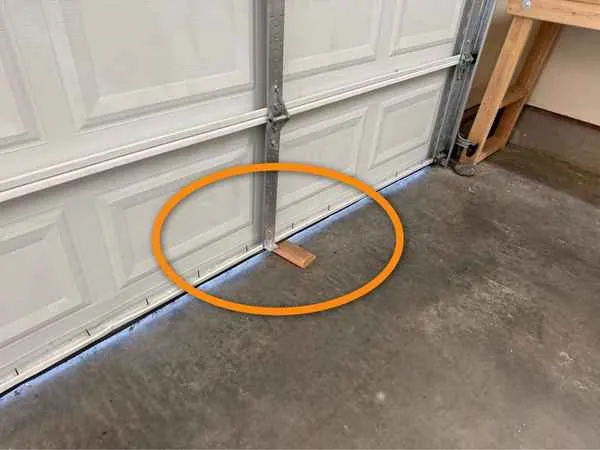
Garage door didn’t reverse
The inspector lays a block under the door. One door bounced back; the other kept pushing down. That’s a crush hazard for kids and pets.
Fix: Garage door repair
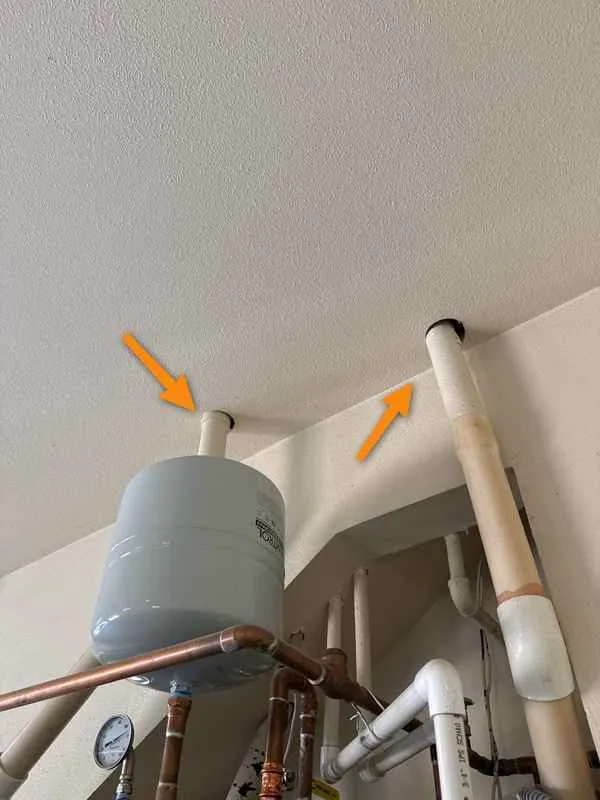
Hole in the garage firewall
Gaps around vent pipes in the garage ceiling break the fire barrier between the garage and the attic. Seal with sheet metal or fire-rated foam.
Fix: DIY, handyman or drywall pro
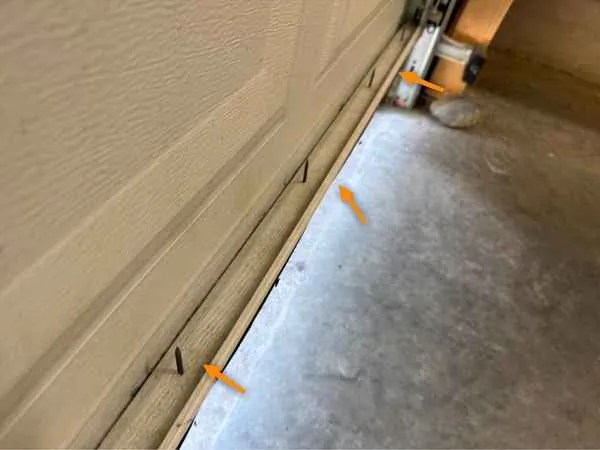
Sharp screws at the garage door
Someone added weatherstripping with screws that poke out near the floor. Swap them for blunt or countersunk ones.
Fix: 20-minute DIY
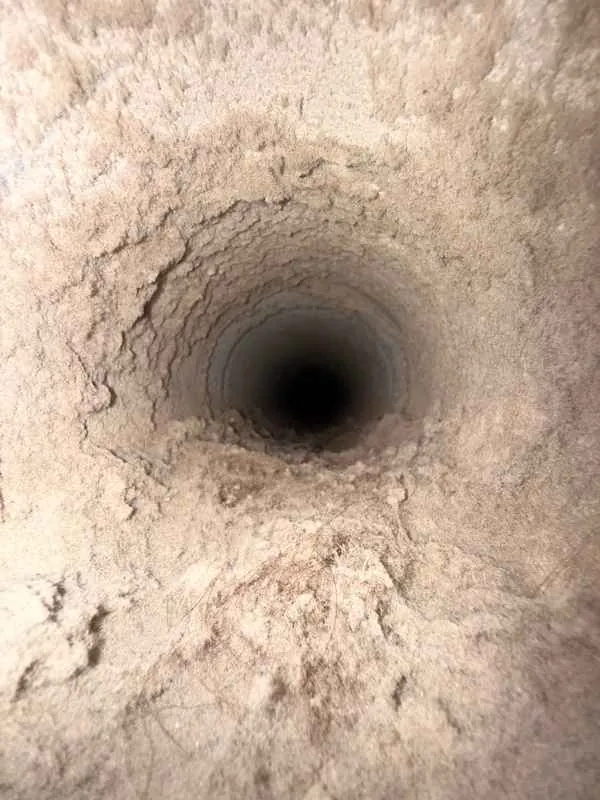
Dryer vent full of lint
Our favorite photo in the report. Lint restricts airflow, makes the dryer slow and is a real fire risk. The new owners had a dryer vent company clean the whole run.
Fix: Dryer vent cleaning
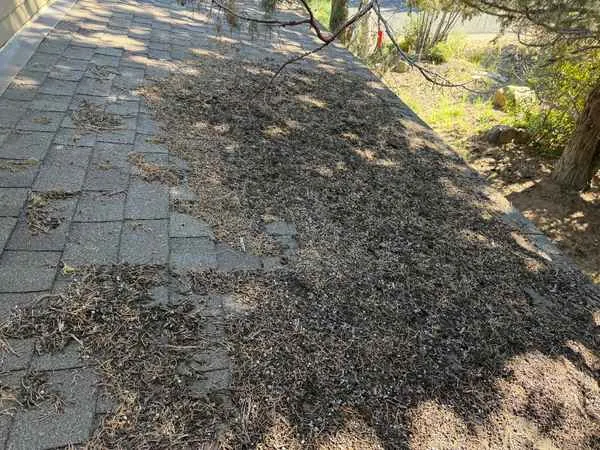
Juniper debris and moss on the roof
A juniper dropped a mat of debris on one side; moss grew on the shaded side. Both hold moisture, and dry debris near a roof is fuel in fire season.
Fix: Tree trimming · Wildfire hardening
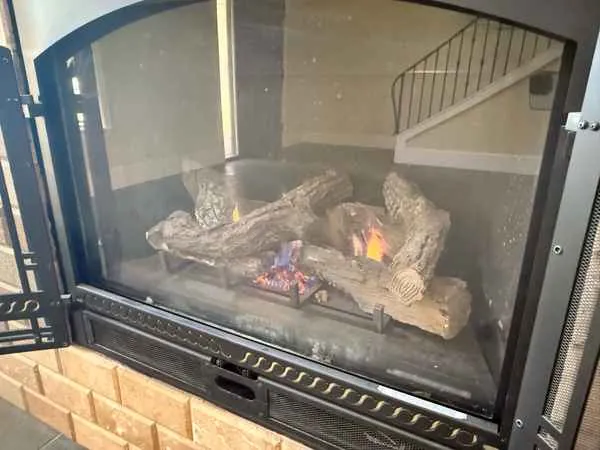
Gas fireplace burning orange
A bright orange flame and condensation on the glass mean a poor burn. It worked, but it needed a service visit.
Fix: Fireplace service
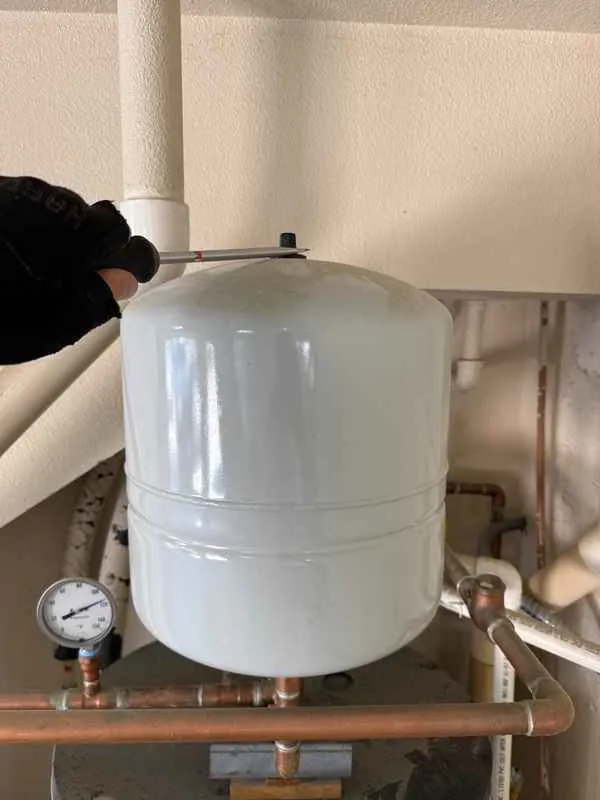
Flat expansion tank
The tank on the water heater had lost its air charge, so it no longer absorbs pressure when water heats up. Recharge or replace.
Fix: Water heater service or a plumber
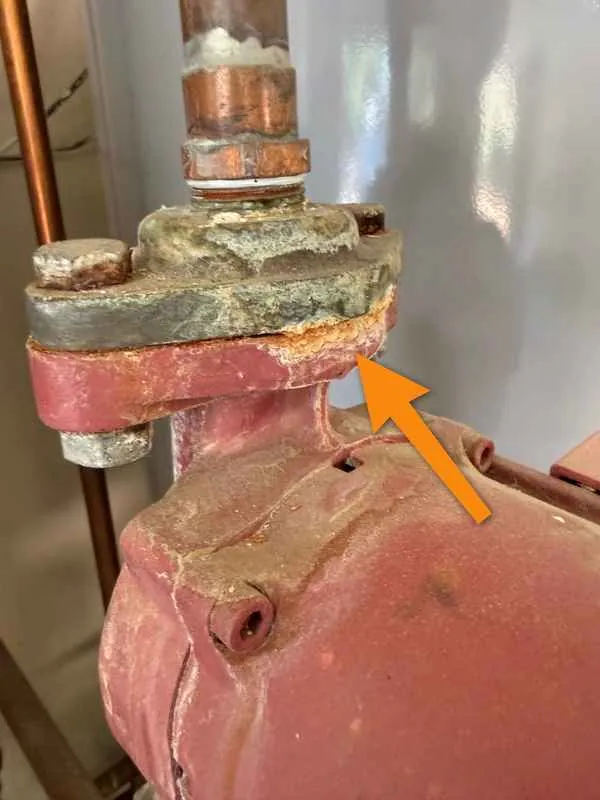
Corroded recirculation pump
Rust and mineral crust on the hot water pump and fittings, a sign of past seeping. These pumps last roughly 10–15 years.
Fix: Plumber
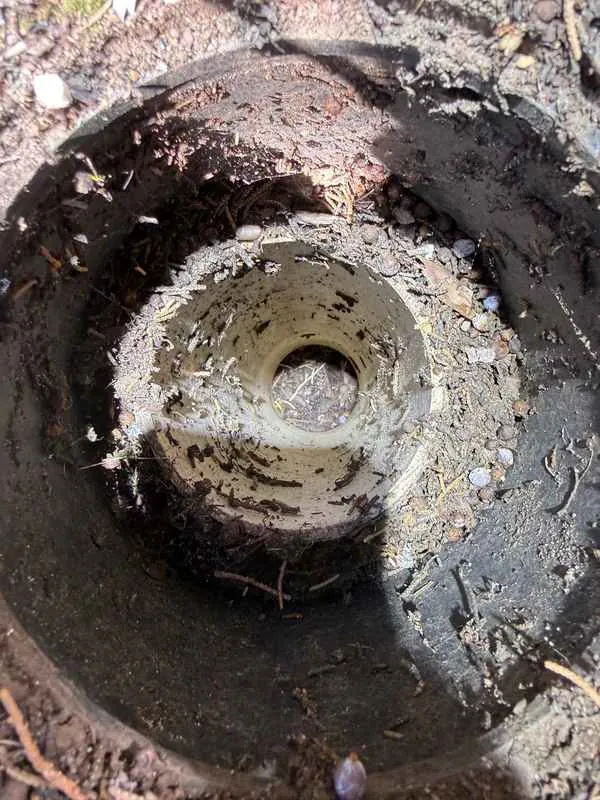
Buried water shutoff
The main shutoff box in the yard was full of debris. Clean it out now and buy a curb key; you don’t want to be digging during a burst pipe in January.
Fix: DIY · Bend winter prep
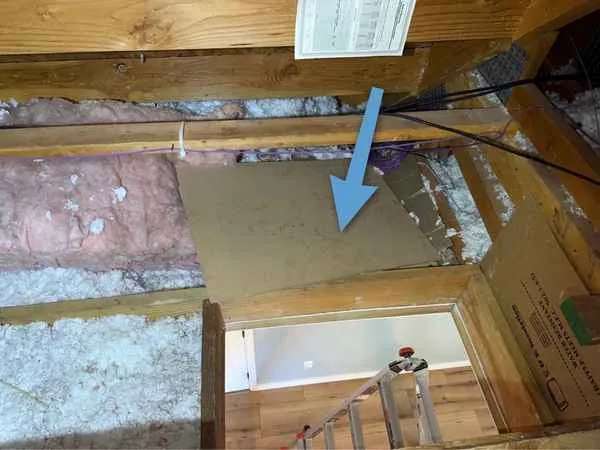
Uninsulated attic hatch
Great attic insulation, but a bare hatch lid. Glue rigid foam to the back and weatherstrip the edge.
Fix: DIY · Insulation guide
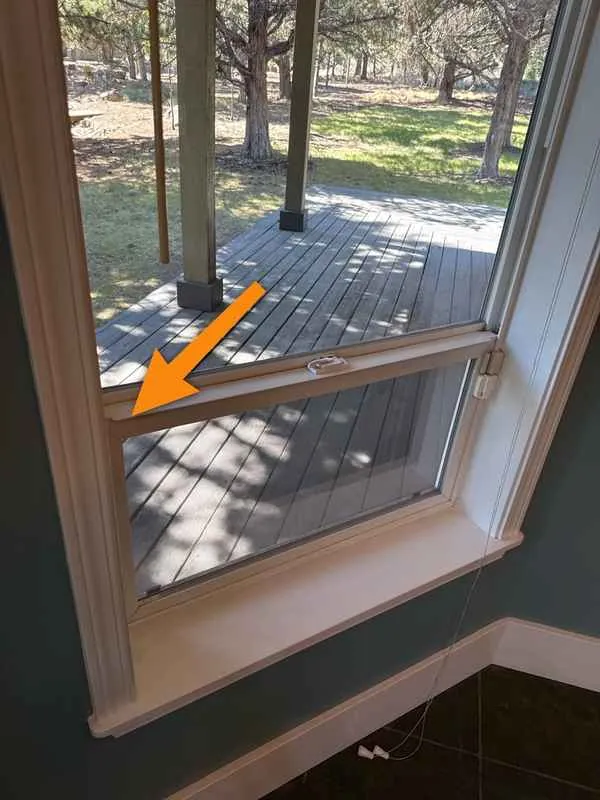
Sticky window, popped balancer
A single-hung window was hard to open because the spring balance slipped out. A cheap part, plus a stuck retractable screen out back.
Fix: Handyman
Showing 22 findings with photos. Not pictured: a concrete driveway heaved and cracked by a since-removed tree, likely needing replacement (concrete contractors); a wobbly privacy wall around the AC unit (fence companies); and a swollen baseboard by the guest shower.
The big lesson: follow the water
Read individually, the report looked like a long list of unrelated problems. Read together, seven findings were one problem: the house had no gutters, so every storm and every spring melt dumped the roof onto the walls, deck and doors.
- No gutters on the main roofline
- Upper roof runoff hits the siding and lower roof every time
- Siding bubbles and flakes; a missing kick-out lets water behind it
- Drip soaks the deck band and the soffit; both start to rot
- Moisture works around a door frame and swells the baseboard inside
That changes the order you fix things. Replacing siding or a deck band before the water is controlled means doing it twice. In Bend, the roof sheds snow and meltwater for months, and a February thaw over a frozen night is a lot of water at the base of a wall. The right order: gutters and downspouts, then roof and flashing, then siding and trim, then the interior.
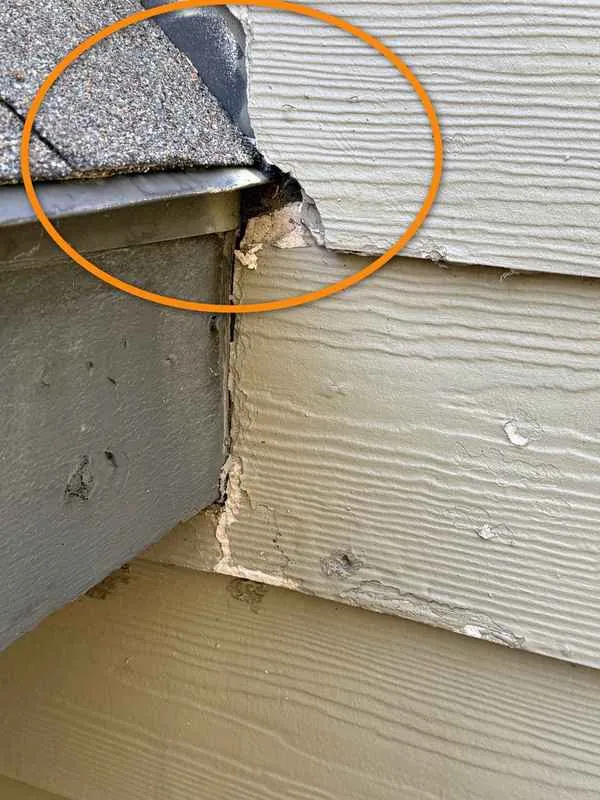
Look for this on any Bend house you tour
- Rooflines with no gutters, especially where an upper roof drains onto a lower one
- Paint failing at the bottom of the siding or at inside corners
- Dark streaks or moss on the deck edge under a roof
- Roof edges ending against a wall with nothing kicking the water out
What the tools actually showed
The inspector used a thermal camera on nearly every system. It’s useful, but know what it does and doesn’t prove.
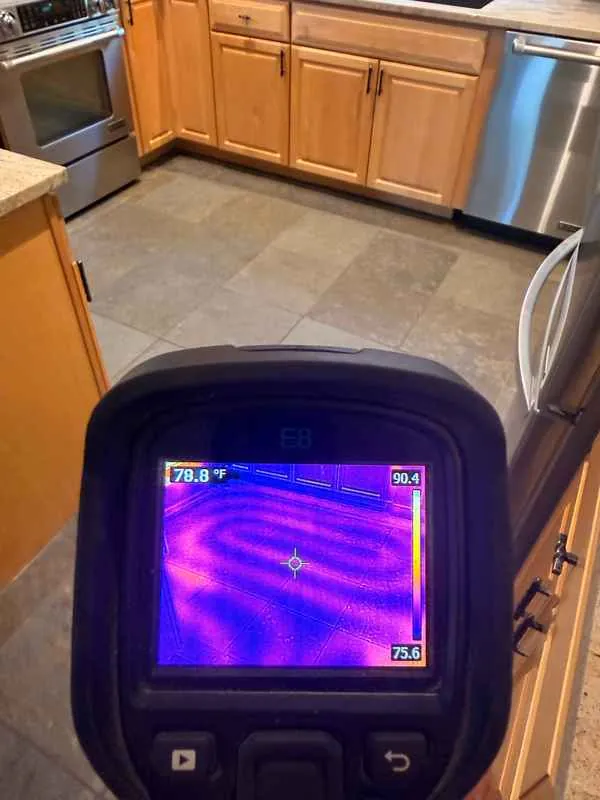
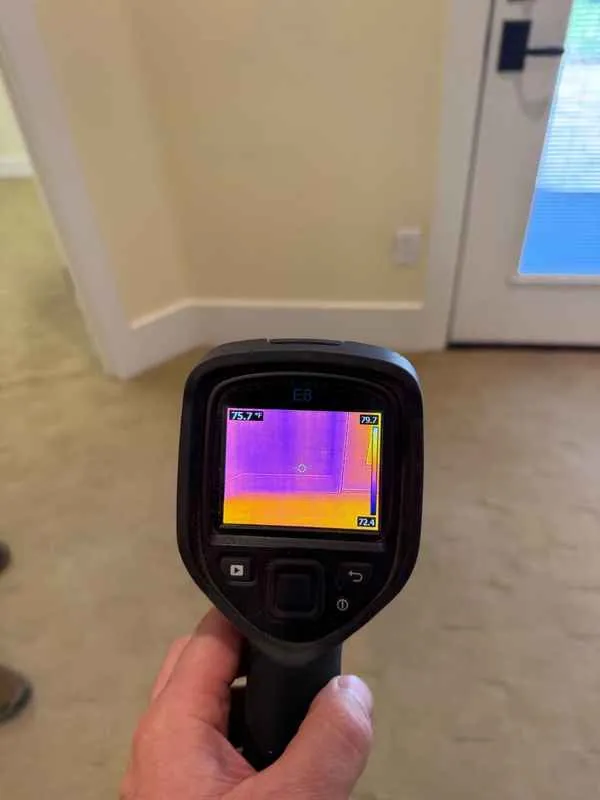
Thermal imaging can’t see through walls, can’t find dry rot that has already dried out, and depends on temperature differences that day. Treat a thermal “all clear” as good news, not a guarantee.
What a Bend home inspection covers (and what it doesn’t)
Oregon inspectors follow a state standard of practice, so every licensed inspector looks at the same core systems. The report in this guide was organized the same way most are, and it’s a good checklist for what you should get back:
| System | What gets checked | What this report found |
|---|---|---|
| Exterior | Siding, trim, flashing, decks, railings, grading, driveway, doors and a sample of windows | Water damage at siding, trim, deck band and soffit; heaved driveway |
| Roof | Shingles, flashing, penetrations, gutters, signs of leaks | Late-life shingles, loose flashing, soft spot, no kick-out, no gutters |
| Structure + attic | Foundation, framing, roof structure, crawl space or slab, attic | Slab, 2x6 walls, trusses: no structural concerns |
| Garage | Firewall, house door, garage door and opener auto-reverse | Firewall gap, one opener failed reverse, sharp screws |
| Electrical | Service, panel, breakers, outlets, GFCIs, smoke and CO alarms | 200-amp panel fine; CO alarm missing upstairs |
| Plumbing | Supply and drain pipes, fixtures, water heater, shutoffs, gas piping | No leaks; flat expansion tank, corroded pump, buried shutoff |
| Heating + cooling | Furnace, heat pump, ducts, thermostats, fireplaces | All working; gas fireplace needed service |
| Interior | Walls, ceilings, floors, stairs, a sample of doors and windows | Two swollen baseboards, one stuck window |
| Insulation + venting | Attic insulation, ventilation, bath, kitchen and dryer exhaust | R-38+ attic; bare hatch; lint-packed dryer vent |
| Built-in appliances | Range, cooktop, dishwasher, built-in microwave, disposal | All working |
What’s left out matters just as much. A standard inspection is visual: the inspector won’t open walls, move furniture, test every outlet behind the couch or look inside the buried sewer line. Fences, sprinklers, hot tubs, detached shops and the fridge, washer and dryer are usually outside the scope unless you pay to add them. If something matters to you, like a detached ADU, a pool or an irrigation system on acreage, say so when you book.
Oregon rules buyers and sellers should know
Bend houses by era: what inspectors tend to find
Bend grew in waves, and each wave has its own weak spots. Knowing roughly when a house was built tells you what to ask the inspector to look at closely. These are common patterns, not guarantees.
| Built | Where you see it | Ask the inspector about |
|---|---|---|
| Before 1970 | Old Town, the west side near downtown, Old Farm, older lots east of 3rd | Older wiring and ungrounded outlets, galvanized or cast-iron pipes, thin insulation, sewer line age, materials that may contain asbestos, foundation settling, past remodels without permits |
| 1970s–1980s | Much of the east side, Deschutes River Woods, early subdivisions off 27th and Brookswood | Original electrical panels (some brands are known trouble), T1-11 plywood siding rotting at the base, wood stoves and chimneys, single-pane or early aluminum windows, crawl space moisture and insulation |
| 1990s–early 2000s | Awbrey Butte, Mountain High, NE and SE subdivisions, early golf communities (and the house in this guide) | Original roofs at the end of their life, composite or OSB siding that swells when wet, polybutylene supply pipe in some homes through the mid-’90s, failed window seals, missing kick-out flashing, aging water heaters and furnaces |
| 2004–2008 boom | NorthWest Crossing’s first phases, SE and NE Bend tracts, Redmond and Sisters expansions | Rushed details from a fast building market: window and door flashing, attic venting and bath fans that end in the attic, grading toward the house, deck ledger attachment |
| New construction | Discovery West, Petrosa, the Southeast and Northeast edges, Tumalo and Redmond | A pre-drywall inspection, grading and gutters, missing insulation in tricky spots, unfinished punch-list items, and a one-year warranty inspection before the builder’s warranty runs out |
A 1999 house with an original roof and no gutters is a very Bend combination. A lot of late-’90s homes here were built when the roofline drained straight to the ground and the dry climate made gutters feel optional. Twenty-five winters of snowmelt later, the base of the walls tells the story.
Wells, septic and acreage outside city limits
Buying in Tumalo, Deschutes River Woods, Alfalfa, Three Rivers or La Pine adds systems a city home inspection won’t cover. Book these alongside the general inspection so the results arrive inside your contingency window.
Add-ons: which ones are worth it
| Add-on | What it does | Our take |
|---|---|---|
| Sewer scope | Camera down the buried line from the cleanout to the city main | Get it on almost any resale. The line is usually the owner’s problem, and digging up a yard and street costs thousands. The one here was clean. See plumbers for repairs; on septic, see septic services. |
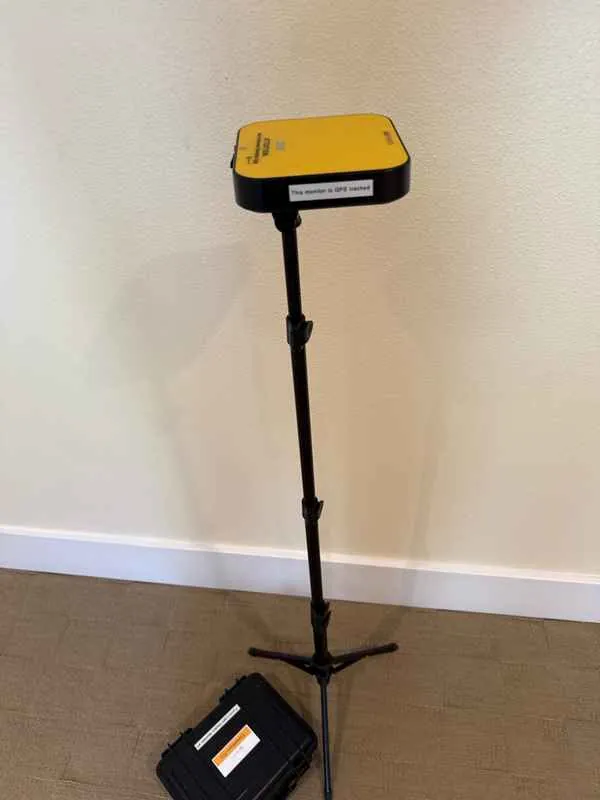
| Radon test | Electronic monitor on the lowest lived-in floor for 48+ hours | Cheap peace of mind. Bend ZIPs rate low to moderate, but houses vary. EPA action level: 4.0 pCi/L. |
| Mold air sampling | Indoor air samples compared with one outdoor sample, sent to a lab | Worth it if there’s staining, a musty smell or known leaks. Otherwise optional. Results take a few days. |
| Thermal imaging | Spots temperature differences: wet areas, missing insulation, dead heat runs | Often included. Ask. Useful, not proof. |
| Level 2 fireplace or chimney inspection | Camera inspection of the flue and venting | This report suggested it for the gas fireplace. A must for wood stoves; see chimney sweeps. |
| Pest / dry rot | Wood-destroying insects and fungal decay | Older decks and wood trim, or carpenter ants near pine and juniper. See pest control. |
What it costs
Ask for one total that includes the inspection, every add-on and any trip fee for outlying areas like La Pine or Crooked River Ranch. Some companies discount a second inspection if your first deal falls through; Prime lists one.
Inspecting in winter, smoke season or after a big storm
Bend’s weather changes what an inspector can see. None of these are reasons to skip an inspection, but know the limits and plan around them.
- Snow on the roof. Inspectors won’t walk a snowy or icy roof, and snow hides shingles, flashing and moss. Ask for drone photos or a roofer’s look, or negotiate a re-check after melt. In the winter, look for ice dams and icicles along the eaves; they point to heat loss and attic venting problems.
- Cold weather and AC. Most inspectors won’t run central air in the cold (it can damage the compressor). A heat pump can be tested in heating mode. If the home was inspected in January, have the cooling side checked in spring.
- Frozen hose bibs and irrigation. Outdoor faucets are often winterized and sprinklers are off from fall to spring, so they go untested. Ask the seller when the system was blown out and plan a spring start-up. See sprinkler blowouts.
- Smoke season. The inspection in this guide happened on a smoky August day. Smoke doesn’t stop an inspection, but it’s a reminder to look at fire risk: debris on the roof, junipers touching the house, open vents and a woodpile against the siding. See wildfire home hardening.
- Right after a storm or thaw. Honestly, the best time. Fresh stains, puddles and overflowing roof edges show exactly where the water goes.
After the report: sort it into four piles
A 60-page report is overwhelming the night you get it. Most Oregon sale agreements give you a set number of days for inspections and repair requests (often 10 business days), so read it the same day and sort every item:
Then ask for credits or repairs on piles 1–3, with contractor quotes attached. A repair credit is often easier than relying on the seller’s choice of contractor. Our Bend real estate agents guide covers agents who handle this part well.
The first-year list from this report
Keep the report. It’s the best maintenance manual you’ll get for the house: filter size, shutoff locations, equipment ages and the sewer cleanout spot are all in there.
Selling? A pre-listing inspection can pay for itself
Most of what turned up in this report was cheap to fix early and expensive to negotiate later. A seller who had known about the missing CO alarm, the garage door, the dryer vent and the gutters could have handled them for a few hundred dollars before listing, instead of facing a buyer’s repair list with contractor quotes attached.
- Fix the safety items Oregon requires at sale: smoke and CO alarms.
- Knock out cheap maintenance: dryer vent, furnace filter, fireplace service, sticking windows, garage door adjustment.
- Get bids on big items (roof, siding) so you can price or disclose them honestly.
- On a well, start the required water test early; lab results can take a couple of weeks.
Prime, TurnKey, WIN and Porch Light all list pre-listing or seller inspections. Your listing agent can help decide what to fix and what to disclose.
How to choose a Bend home inspector
What made this report useful, and what to look for in yours:
- A clear summary up front. This one split “recommendation” from “maintenance item,” so the 20 that mattered stood out.
- Photos with arrows for every finding. Every photo on this page came from the report. You’ll forward them to roofers and contractors.
- Actually walking the roof. This inspector walked it, which is how they found the soft spot and the loose flashing. Drones are fine on steep or snowy roofs; just know which you’re getting.
- Probing wood. The screwdriver in the deck band photo is the test. Ask if they probe suspect trim and decks.
- Explaining causes, not just symptoms. This inspector tied the siding, soffit and baseboard back to the missing gutters, which keeps you from fixing things in the wrong order.
- Bend-specific details. Checking that the water shutoff is reachable, that dryer and bath fans vent outside, juniper and pine needles on the roof, and the condition of heat pumps and radiant systems common in newer Bend homes.
Questions to ask when you call
- Who will inspect, and what’s their OCHI number?
- Can I see a recent sample report?
- Do you walk the roof when it’s safe?
- Is thermal imaging included?
- Do you do sewer scopes and radon, or who do you send?
- When will I get the report, and can I call with questions after?
- What’s the total with every add-on?